

What is plant balance?
Plants tell us about their health and how they are using their energy through morphology and growth patterns. Plant balance describes how a plant is allocating its energy between vegetative growth and generative growth.- Vegetative growth includes stems, leaves, and overall plant structure.
- Generative growth includes flowers and fruit.
What decisions can I make when I know my plant’s state?
When you know whether a plant is more vegetative or more generative, you can make crop steering decisions with more confidence. That may include decisions to:- encourage more fruit and flower development
- support more stem and leaf growth
- maintain a more balanced plant state
- respond earlier to signs of plant stress
Plant balance categories
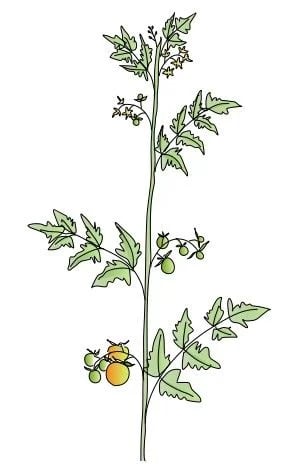
Weak generative
(Synonyms: More generative) Plants spend more energy to produce generative plant parts and less on vegetative plant parts resulting in poor growth and weaker plants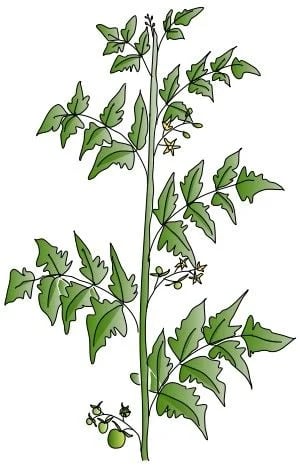
Weak vegetative
(Synonyms: Vegetative) Plants spend relatively more energy to produce vegetative plant parts while maintaining adequate generative growth resulting in good growth. ”Weak” refers to weak vegetative growth of the plants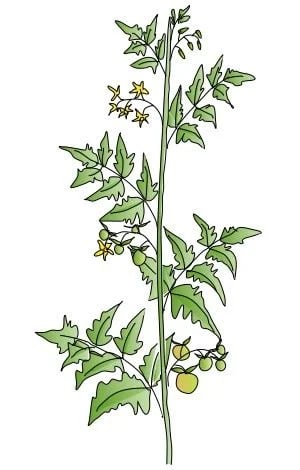
Strong generative
(Synonyms: Generative) Plants are inclined to spend relatively more energy to produce generative plant parts while maintaining adequate vegetative growth resulting in good growth and strong plants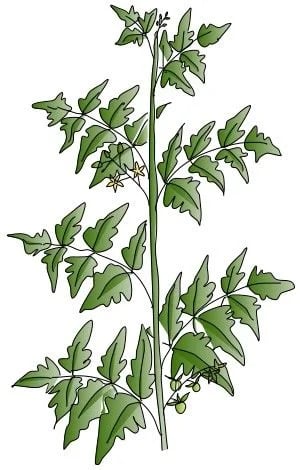
Strong vegetative
(Synonyms: More vegetative) Plants spend more energy to produce vegetative plant parts and less on generative plant parts resulting in too much vegetative growth. ”Strong” refers to strong vegetative growth of the plantsHow can I start using FarmRoad Plant Balance?
To access Plant Balance, contact WayBeyond here. Plant Balance is easy to get started with using FarmRoad’s data collection tools. To use Plant Balance, you must collect:- Fruit Number Per Plant
- Flower Number Per Plant
- Leaves Per Plant
- Head Density
- Growth
- Stem Diameter
- Leaf Length
- Leaf Width
- Top to Flowering Truss
- Truss Height
- Environmental data using Folium
- Harvest (yield data)
- Set Fruit Per Plant
- Fruit Weight
- Fruit Diameter
Data must be collected at minimum once per week to receive weekly Plant Balance assessment.